June 2, 2026 • Declan Marsh • 10 min reading time • Prices verified June 11, 2026
Canon EOS R8 vs. R6 Mark II: The $600 Upgrade Decision in Plain Terms
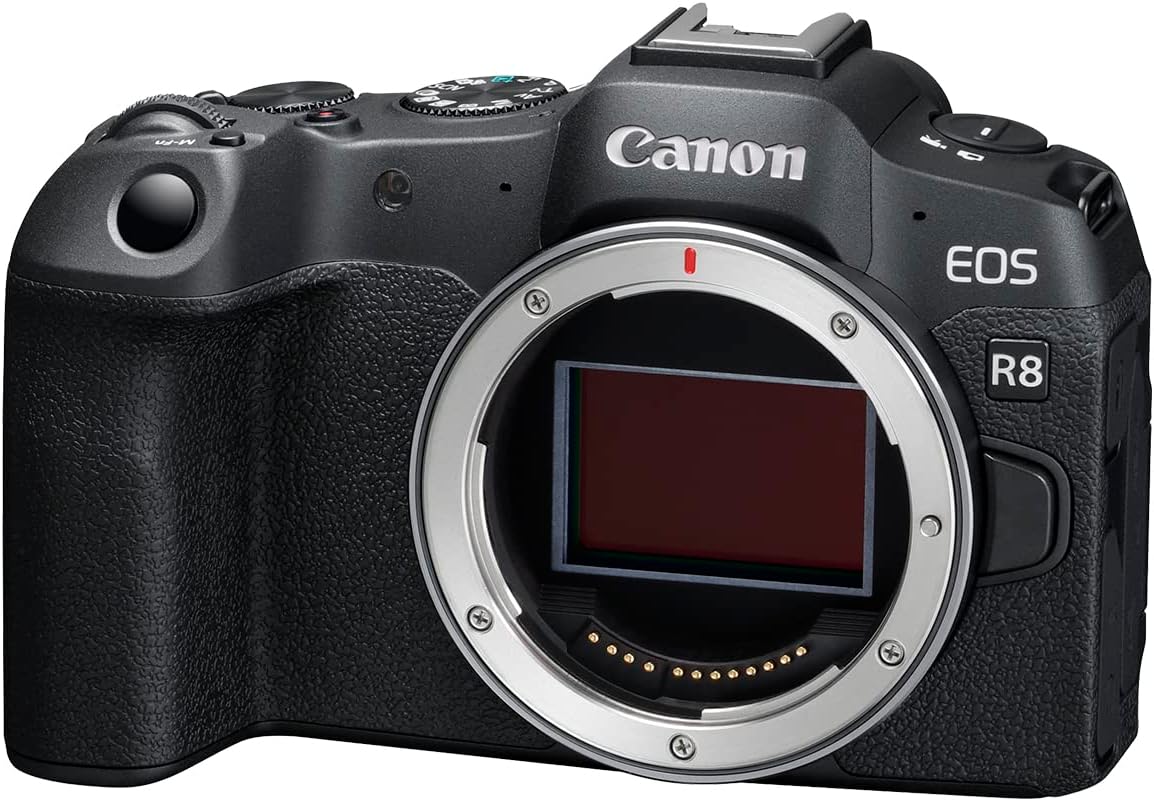
The Canon EOS R8 and R6 Mark II are both full-frame mirrorless cameras — meaning their image sensors are the same large size as a 35mm film frame, which gives you cleaner low-light performance and more natural background blur than smaller-sensor alternatives. They sit on the same Canon RF mount, share nearly identical image processors, and produce photos that are, in practice, hard to tell apart in a side-by-side print. The R8 retails around $1,300 and the R6 Mark II around $1,900 as of mid-2026 — a roughly $600 gap. If you’re deciding between them right now, you’ve probably already noticed that the specs look suspiciously similar and you’re wondering whether the price difference is a genuine capability step or just a badge upgrade. It’s neither simple. The honest answer is: the R8 is excellent and the R6 Mark II is better, but whether better is worth $600 more depends entirely on how and where you shoot.
This article gives you the decision frame to answer that for your specific situation — with actual trade-off numbers, sourced editorial context, and clear if-then rules at the end.
What’s Actually the Same (More Than You’d Expect)
Start here, because the overlap is the story. Both cameras use Canon’s 24.2-megapixel full-frame CMOS sensor and the DIGIC X image processor. Both shoot up to 40 frames per second in electronic shutter mode — that’s the burst speed you’d use to capture a bird landing or a dancer mid-leap. Both have Canon’s Dual Pixel CMOS AF, which is widely regarded as among the most reliable autofocus systems available at any price point. In their respective full reviews of each body, DPReview describes the Dual Pixel AF implementation across this camera generation as class-leading. Both shoot uncropped 4K video. Both have a fully articulating touchscreen — the kind that flips all the way around, useful for video work or low-angle shots.
Owners across both systems report that image quality in controlled shooting environments is effectively indistinguishable. If your primary concern is “will my photos look better,” the R6 Mark II does not give you a meaningful resolution or color science advantage over the R8. You’re buying something else when you pay the $600 premium.
Quick-Reference Specs
| Feature | R8 | R6 Mark II |
|---|---|---|
| Sensor | 24.2MP full-frame | 24.2MP full-frame |
| Max burst (electronic) | 40 fps | 40 fps |
| Card slots | 1× SD | 2× SD |
| In-body stabilization | None | 8-stop IBIS |
| Battery life (CIPA rated) | ~220 shots | ~360 shots |
| Body-only price (mid-2026) | ~$1,299 | ~$1,899 |
CIPA ratings are manufacturer-standard benchmarks measured under controlled lab conditions. Real-world results vary, but the ratio between the two cameras tends to hold.
The Three Real Differences That Actually Change How You Work
1. The Single Card Slot Is a Workflow Risk, Not Just an Annoyance
The R8 has one SD card slot. The R6 Mark II has two. For casual photographers — someone shooting family events, street work, or personal projects — a single card slot is completely fine. You shoot to one card, you back it up at home, you move on.
For working photographers, it’s a different calculation. Wedding and event photographers nearly universally require dual-card redundancy. The industry-standard practice is to write simultaneously to both cards so that a card failure during a ceremony doesn’t result in lost, unrecoverable images. In their Canon EOS R8 review, The Phoblographer explicitly names the single card slot as the primary reason they recommend the R6 Mark II to photographers who plan to work professionally — even while praising the R8’s image quality without reservation. Petapixel’s direct Canon EOS R8 vs. R6 Mark II comparison similarly identifies dual-card redundancy as one of the clearest hard-line differentiators between the two bodies for professional use cases.
If you are charging clients for coverage of unrepeatable moments, the R8’s single card slot is a genuine professional liability, not a spec-sheet footnote.
If you shoot paid events or weddings: the single card slot ends the conversation. Go R6 Mark II.
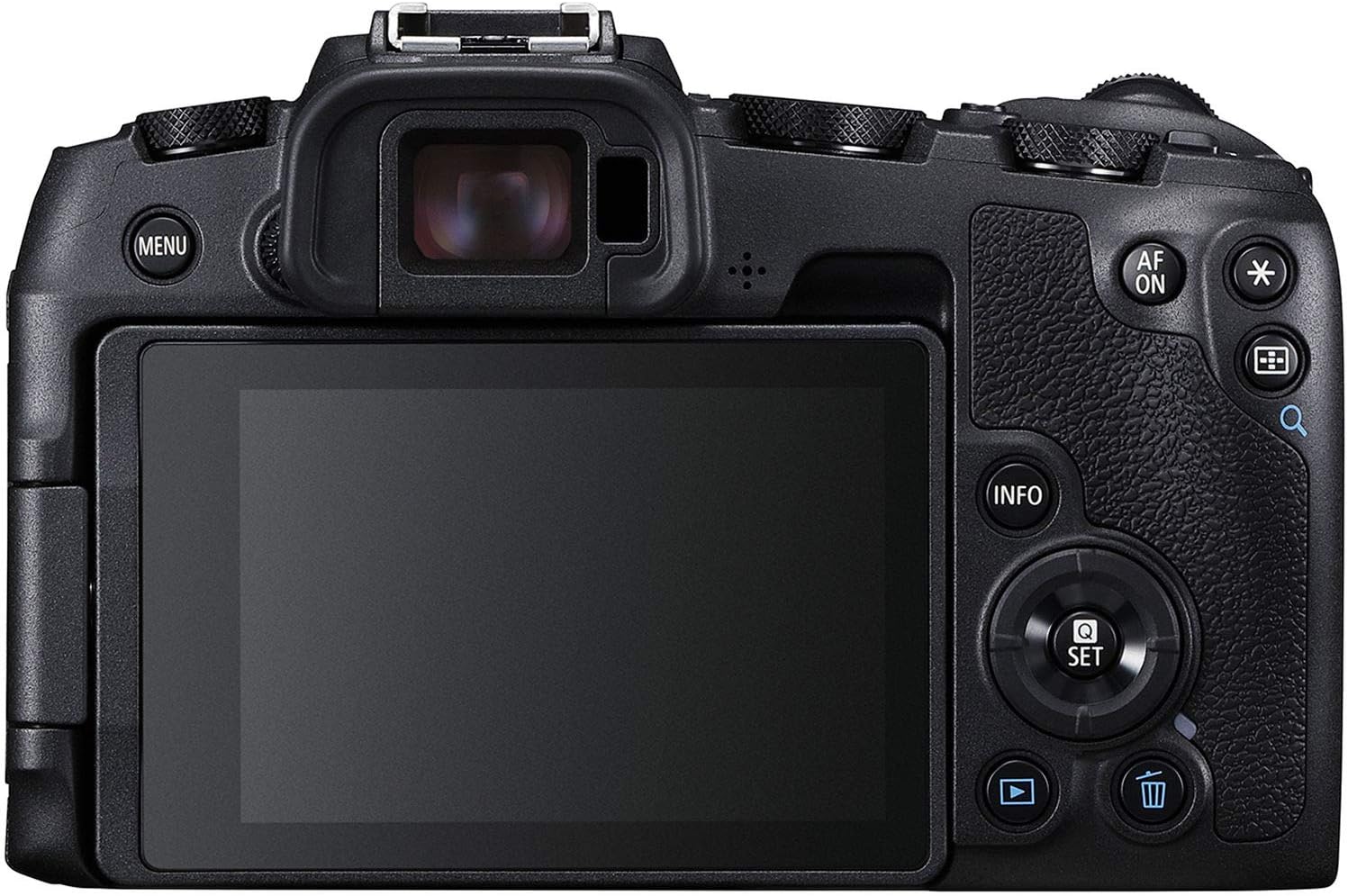
Canon 3380C132
$1,299.00
In stock on Amazon
Check price on Amazon2. Battery Life — The Gap You Feel by Afternoon
The R8’s LP-E17 battery is CIPA-rated at approximately 220 shots. The R6 Mark II uses the larger LP-E6NH battery, rated at approximately 360 shots. In practice, the real-world gap widens once you factor in video monitoring, continuous autofocus use, and reviewing images on-screen.
In their Canon EOS R6 Mark II review, Imaging Resource notes that the LP-E6NH battery represents a meaningful step up in stamina for photographers moving from smaller-battery Canon bodies, and identifies battery capacity as one of the practical daily-use advantages the R6 Mark II holds over lighter, more compact full-frame options in its class. DPReview’s Canon EOS R8 review likewise identifies the LP-E17 battery as a notable constraint for extended shooting sessions, describing it as a trade-off Canon made to achieve the R8’s lighter, more compact body profile.
The LP-E17 is a smaller, cheaper battery, which cushions the blow slightly — spare units run around $15–20 used versus $35–50 for the LP-E6NH. But you’re still managing the habit, the weight of spares, and the mental load of monitoring charge during a shoot. For casual hobbyist use, this is minor. For a full wedding day or multi-location travel day, it’s the friction point that most frequently prompts R8 owners to wish they’d spent more.
If you shoot full-day events, travel without reliable charging access, or run video for extended periods: the R6 Mark II’s battery profile is meaningfully better.

Canon APS-C
$1,449.00
In stock on Amazon
Check price on Amazon3. In-Body Image Stabilization — When It Matters and When It Doesn’t
The R8 has no in-body image stabilization (IBIS). The R6 Mark II has 8-stop IBIS — meaning, under ideal conditions, you can handhold at shutter speeds up to 8 stops slower than you otherwise could without introducing camera-shake blur.
Here’s the honest framing: if you primarily shoot with Canon RF lenses that include optical image stabilization (IS), the absence of IBIS in the R8 is less critical. Canon’s IS lenses compensate significantly on their own, and the combination of lens IS plus body IBIS in the R6 Mark II is most valuable in specific scenarios: handheld video without a gimbal, low-light photography with adapted manual lenses, and slow-shutter creative work like indoor architecture or long exposures.
DPReview’s Canon EOS R6 Mark II review describes the IBIS as particularly valuable for video shooters who want smoother handheld footage without the added complexity of a stabilizer rig — a characterization that aligns with how Petapixel positions the R6 Mark II in their head-to-head Canon EOS R8 vs. R6 Mark II comparison, where IBIS is listed as the defining video-workflow advantage over the R8. Photographers shooting primarily stills with stabilized RF lenses, in good light, with fast shutter speeds will likely never notice IBIS’s absence in the R8.
If you shoot handheld video, use un-stabilized lenses, or regularly work in dim environments below 1/60 second: IBIS is a real feature, not a checkbox.
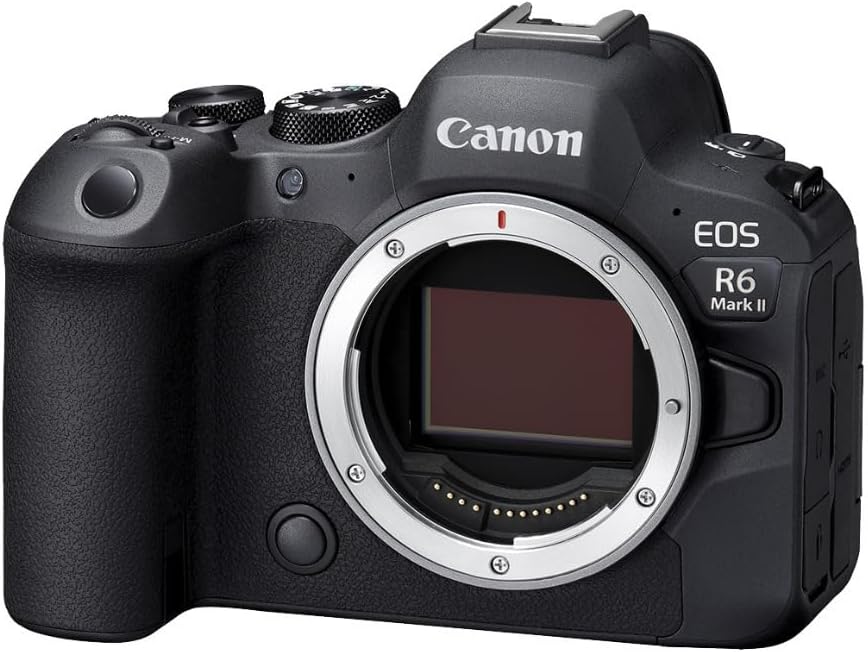
Canon
$1,999.00
In stock on Amazon
Check price on AmazonThe Used Market Math in 2026
The R8 has been on the market long enough that certified pre-owned examples have settled into a stable price band. Based on current listings at MPB and KEH Camera as of mid-2026, clean R8 bodies are trading in the $850–$950 range. R6 Mark II bodies in similar condition sit around $1,350–$1,500.
That used-market gap — roughly $400–$550 — is meaningfully smaller than the new-body spread. If you’re buying used, you’re already making a cost-conscious decision, and the break-even logic shifts. A used R6 Mark II from a reputable graded source represents a strong value case for someone who wants the dual card slots and battery life without absorbing the full new-body premium. Both MPB and KEH offer graded condition ratings and return windows that make used-body purchases considerably lower risk than private sale.
If your budget ceiling is genuinely around $1,000, a clean used R8 is an excellent camera with no meaningful image quality compromise. If you can stretch to $1,400–$1,500, the used R6 Mark II is the more compelling long-term ownership decision.
The If-Then Decision Rules
If you are shooting paid events, weddings, or any unrepeatable professional work → R6 Mark II. The dual card slot is a professional standard for a reason. The R8 is not the right tool for that context.
If you shoot primarily stills with stabilized RF lenses, in reasonable light, for personal or hobbyist use → the R8 is excellent and the upgrade is hard to justify on image quality alone. Spend the $600 on glass instead.
If you shoot handheld video, run the camera for a full day without access to charging, or use adapted vintage glass without IS → the R6 Mark II pays for itself in workflow quality over 12 months.
If your budget is under $1,100 and you’re buying new → the R8 is the right call. A camera you own now beats a camera you’re saving toward for six months.
If you’re considering the used market → price the R6 Mark II at MPB or KEH before defaulting to the R8 new. The gap may be smaller than you think.
Frequently Asked Questions
Is the R8’s single SD card slot a real problem for everyday photography? For personal and hobbyist shooting, no — it’s a non-issue. For paid professional work where the images are irreplaceable, it’s a genuine risk. The industry practice for event and wedding work is simultaneous dual-card writing as a backup. The R8 simply cannot do that. The Phoblographer’s Canon EOS R8 review names this as the single most limiting factor for photographers considering the R8 as a primary professional body.
How significant is the battery difference between the R8 and R6 Mark II in a full day of shooting? Owners and reviewers consistently describe it as the most noticeable day-to-day difference between the two cameras. Imaging Resource’s Canon EOS R6 Mark II review identifies the LP-E6NH battery as a practical daily-use advantage. The R8’s LP-E17 runs out faster and requires either multiple spare batteries or mid-day charging. It’s not a dealbreaker for casual shooters, but it’s a genuine friction point for working photographers.
Does the R6 Mark II have noticeably better image stabilization than the R8? Yes, but the practical value depends on your workflow. The R6 Mark II’s 8-stop IBIS makes the most difference for handheld video and low-light, slow-shutter still work. As DPReview notes in their Canon EOS R6 Mark II review, the stabilization advantage is most pronounced for video shooters. Photographers shooting stills with stabilized RF lenses in normal conditions are unlikely to see a dramatic difference in their keepers rate.
Is the Canon RP still worth buying in 2026 as an entry full-frame? The RP has been eclipsed on value by the R8, which offers significantly better autofocus performance and video capability at a price that has come down considerably since launch. For buyers entering full-frame in 2025–2026, the R8 is the stronger recommendation unless the RP appears at a deeply discounted used price (under $500) with glass included.
When does the R7’s APS-C crop factor make it a better choice than the R8 for wildlife? An APS-C sensor like the R7’s has a 1.6× crop factor relative to full-frame. In practical terms, a 400mm lens on the R7 behaves like a 640mm equivalent in terms of reach and framing — without physically carrying a longer, heavier, more expensive lens. For wildlife and bird photographers, that reach multiplier is a primary reason to choose the R7 over a full-frame body at a comparable price point. If your primary shooting is long telephoto wildlife work and reach matters more than low-light performance, the R7 is worth serious consideration even against the R8’s full-frame advantages.